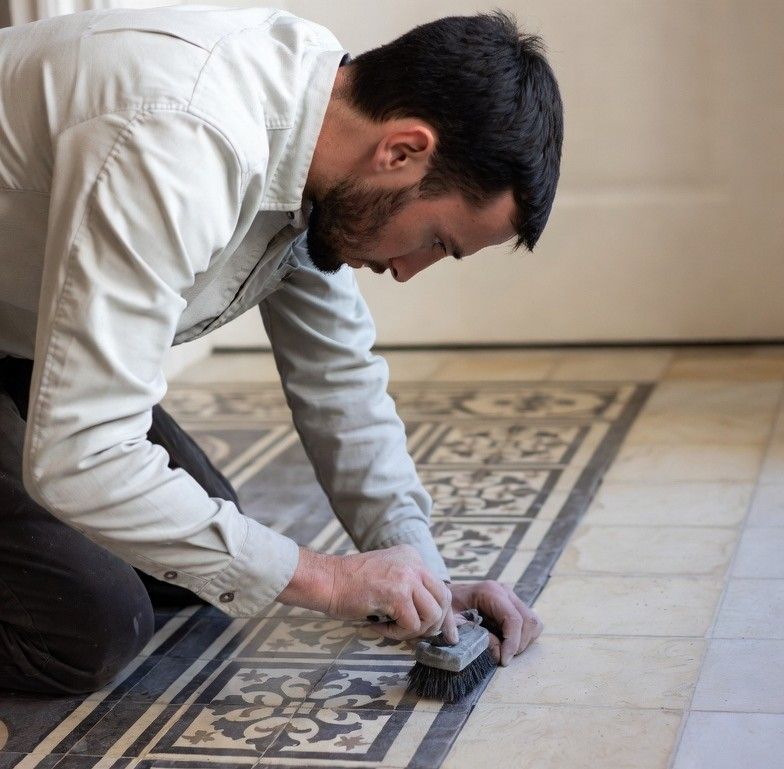
Historic tilework can last for centuries when cared for properly, according to the National Park Service, which has documented original ceramic tiles surviving in buildings from the 1800s. That kind of longevity says something. These floors and walls were never meant to be disposable. They were meant to be admired, walked on, spilled on, and still look good decades later.
Yet somewhere along the way, people started ripping them out the moment they looked dull. I get it. Grimy grout and faded colors can make even the most intricate design look tired. But replacement is often the worst option. Many experts, including services specializing in professional tile cleaning, point out that restoration can bring back detail you didn’t even realize was still there. It’s like wiping fog off a mirror and suddenly recognizing what you’ve been missing.
Why Decorative Tiles Deserve a Second Chance
Patterned floors, mosaics, and hand-laid tiles are not just surfaces. They’re stories. A Mediterranean-inspired kitchen floor, for example, might carry geometric patterns rooted in centuries-old traditions. A mosaic entryway could have been assembled piece by piece, maybe by someone who cared a little too much about symmetry. That kind of work is hard to replace, and honestly, you shouldn’t try. Much like tailored storage as functional art in interior design, decorative tiles blend purpose with creativity, turning everyday elements into something worth preserving. When you start seeing them this way, restoration feels less like maintenance and more like respect.
I once visited a home where the owner almost covered a vintage tile floor with vinyl. Good thing they hesitated. After a deep clean, the original blues and ochres came back to life. The room felt warmer, more grounded. You could almost hear the floor saying, “Told you so.”
Preserving Color and Texture
Dirt doesn’t just sit on the surface. It settles into grout lines, clings to textured finishes, and dulls the natural shine of tiles. Over time, this buildup hides the original color palette. Reds look brown. Whites turn gray. Patterns blur together.
Careful cleaning restores contrast and definition. The key word here is careful. Decorative tiles often have glazes or finishes that react badly to harsh chemicals. Scrubbing too aggressively can scratch the surface, which is basically the opposite of what you want.
This is where experience matters. A proper tile restoration service knows how to lift grime without stripping away the character. Sometimes it’s a mix of gentle cleaning agents and patience. Yes, patience. Not the most exciting tool, but probably the most important one.
Safe Cleaning for Specialty Tiles
Not all tiles are created equal. Ceramic, porcelain, encaustic, natural stone, they all behave differently. Encaustic tiles, for instance, have patterns that run through the tile itself rather than sitting on top. Sounds durable, and it is, but it still needs the right care.
Using the wrong cleaner can cause discoloration or even permanent damage. Acidic solutions, for example, can etch certain surfaces. That’s why restoration professionals test small areas first. It’s a bit like tasting soup before serving it. You don’t want surprises.
Homeowners sometimes try DIY methods they find online. Baking soda, vinegar, random mixtures. Some work, some don’t. Some make things worse. If the tile is valuable or historic, it’s safer to leave it to a skilled tile cleaning service that understands these materials inside and out.
Protecting Historic and Custom Installations
Older homes often feature tilework that can’t be replicated easily. Maybe the manufacturer no longer exists. Maybe the color was custom. Maybe the layout was designed specifically for that space. Once it’s gone, it’s gone.
The National Trust for Historic Preservation emphasizes maintaining original materials whenever possible. Restoration keeps the authenticity intact. Replacement, even with high-quality replicas, changes the feel of a space. It’s subtle, but noticeable.
And then there’s the sentimental side. Floors witness life. They’ve seen birthdays, quiet mornings, spilled coffee, maybe a dropped plate or two. Keeping them means keeping a piece of that history.
When Restoration Beats Renovation
Renovation has its place, sure. But it’s often more expensive and disruptive than people expect. Tearing out tile creates dust, noise, and a long to-do list. Restoration, on the other hand, is quicker and usually more cost-effective.
There’s also the environmental angle. Reusing existing materials reduces waste. Fewer tiles end up in landfills. It’s a small win, but it adds up.
In many cases, the results are surprisingly dramatic. Colors brighten. Patterns sharpen. The entire room feels refreshed without changing its identity. That’s the magic of a well-done clean.
A Final Thought on Bringing Tiles Back to Life
Decorative tilework isn’t something you casually replace. It’s something you uncover, protect, and appreciate. A good professional tile cleaning approach respects the material, the craftsmanship, and the history behind it. And honestly, it often reveals more beauty than you expected.
So before you reach for a sledgehammer or start browsing replacement options, take a closer look at what you already have. There’s a good chance it just needs a little attention, maybe a bit of expert care, to shine again. Sometimes, the best renovation is simply letting the original speak for itself.